Zero Emission Grants
The Trottier Family Foundation and Beneva
give wings
to your sustainable mobility project
Theme

Projects supported
Years
Status
What are the Zero Emissions Grants?
Since 2023, the Trottier Family Foundation has been offering grants to support zero-emission sustainable mobility projects in Quebec. This year, Beneva is joining the initiative with its support. In 2026, seven $5,000 grants will be awarded to groups or organizations that want to carry out projects aimed at reducing greenhouse gas emissions.
The purpose of these grants is to:
– support environmental initiatives
– encourage the development of zero emission electric mobility projects
– participate in the reduction of greenhouse gases
– reward creativity in service of the environment
The beneficiaries of the grants can be citizen or student groups, schools, daycares, NPOs or SMEs, as long as their headquarters or activities are across the province of Quebec. This grant will help fund the development of your project by covering the required expenses.
The application period has closed.
Learn more about the 2026 winners’ initiatives below.
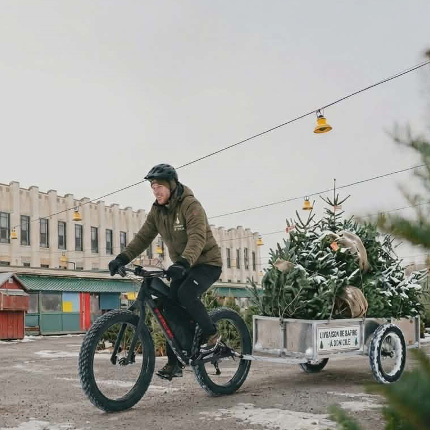
Ferme Cleary – St-Joachim-de-Shefford/Atwater
-
This project aims to implement a zero-emission Christmas tree delivery service at Atwater Market using an electric bicycle and trailer. The initiative replaces traditional motorized deliveries with a quiet, efficient, and environmentally friendly alternative that reduces greenhouse gas emissions, traffic congestion, and noise during the holiday season. Accessible to all market visitors, including families, people with reduced mobility, and residents without vehicles, the service promotes sustainable urban transportation while raising public awareness through the market’s high visitor traffic.
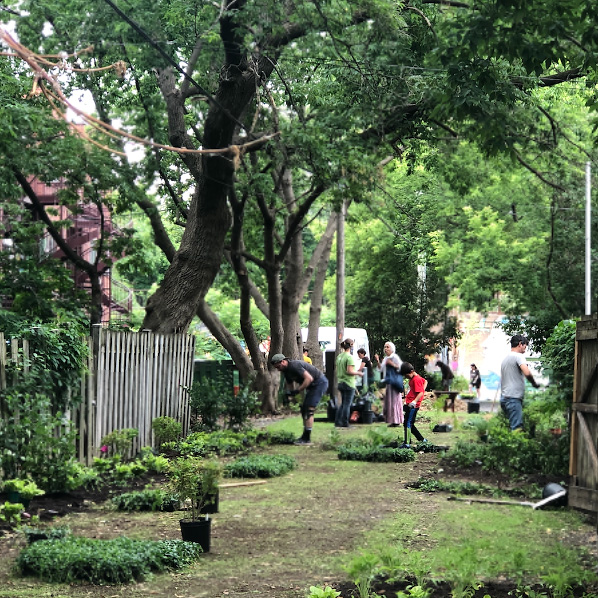
Groupe Pro-Vert – Montreal
-
This project aims to integrate zero-emission logistics into the South-West green alleyway program through the use of a utility cargo bike and trailers to transport materials, tools, and harvests. By replacing gasoline-powered vehicles currently used for maintaining alleyways, riverbanks, and community gardens, the initiative will reduce greenhouse gas emissions while promoting sustainable mobility within residential neighborhoods. The equipment will also be shared with community alleyway committees and residents for everyday uses, transforming green alleyways into hubs for active and collective transportation.
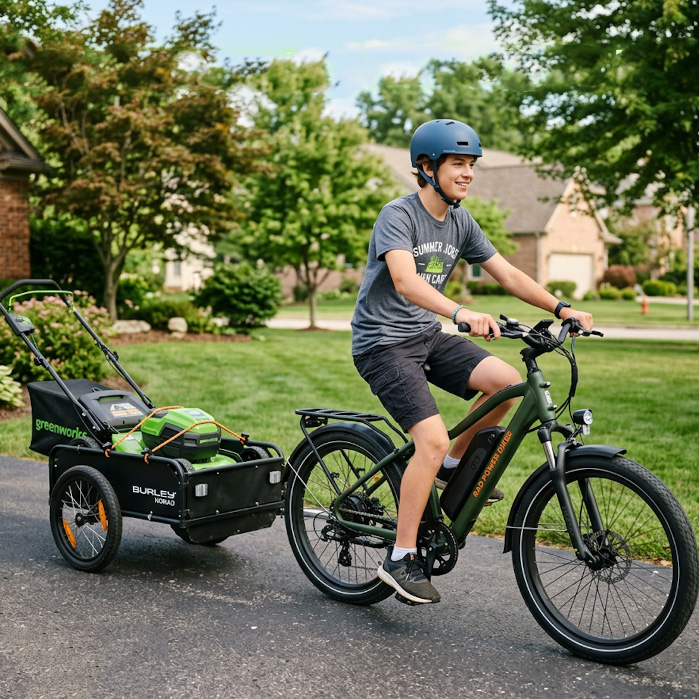
«Mes Contrats Verts» Par Ciec – Mirabel
-
This initiative is transitioning to a fully zero-emission operating model for contracts carried out through the collective entrepreneurship youth cooperative program. Participants will use only electric equipment and electric bicycles, reducing greenhouse gas emissions, noise pollution, and transportation dependence while promoting autonomy and sustainable mobility. The shift also lowers operating costs, allowing for more affordable services without compromising quality. Beyond its environmental benefits, the project aims to inspire young people to become socially and environmentally conscious entrepreneurs.
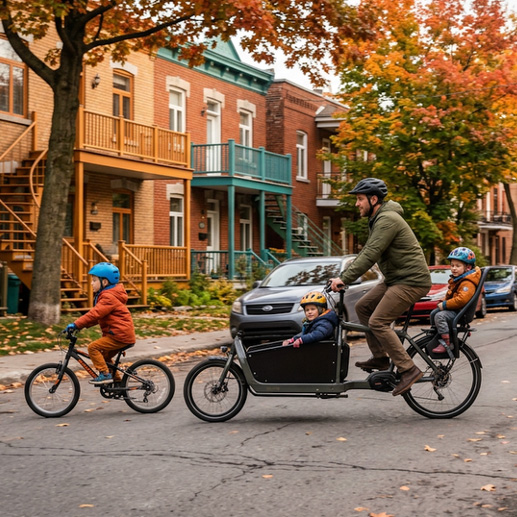
Familix par Vélocentrix – Québec
-
Familix is a personalized support program by Vélocentrix designed to help families with children aged 0 to 12 adopt or maintain the use of cargo and utility bikes for daily transportation. Through individual coaching, bike trials, workshops, and real-route accompaniment, the program helps parents overcome common barriers to family cycling while reducing dependence on cars. By supporting families in Quebec City, Familix aims to lower solo car trips, reduce greenhouse gas emissions, and strengthen a more inclusive and sustainable cycling culture.
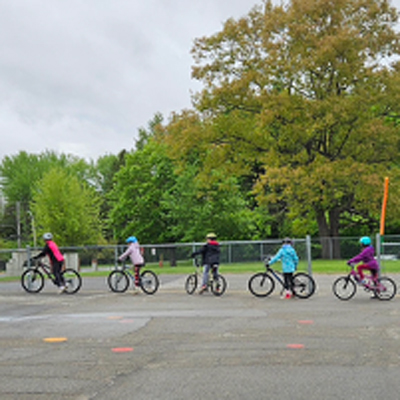
Vélo-Tour École de L’épervière – Rigaud
-
This project aims to build a strong cycling culture within the school community by encouraging safe, active, and sustainable transportation among students, parents, and staff. Through initiatives such as a “Bike to School Day,” cycling safety and bike maintenance workshops, a bike bus program, and improved cycling infrastructure and equipment lending services, the project seeks to reduce traffic congestion and improve road safety around the school. Developed in collaboration with the municipality, Vélo Québec, and community police officers, the initiative also raises awareness about greenhouse gas reduction and healthy lifestyle habits while integrating cycling into educational activities.
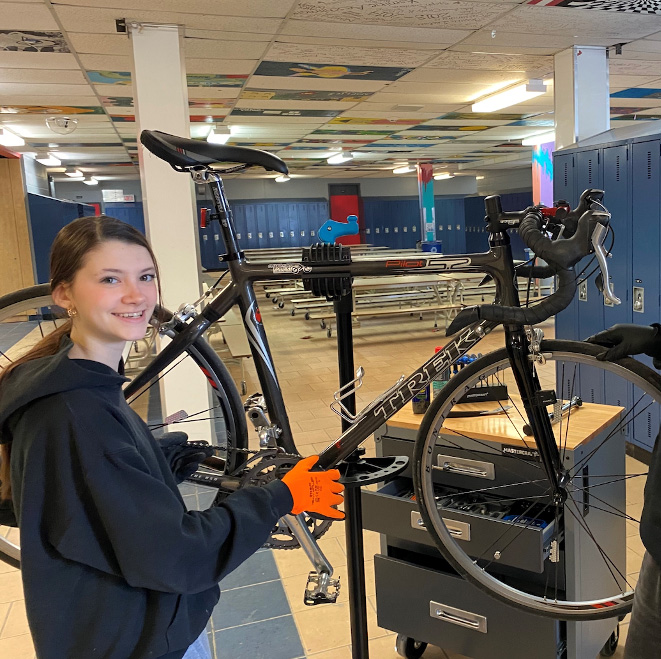
École Secondaire Paul Germain Ostiguy – Saint-Césaire
-
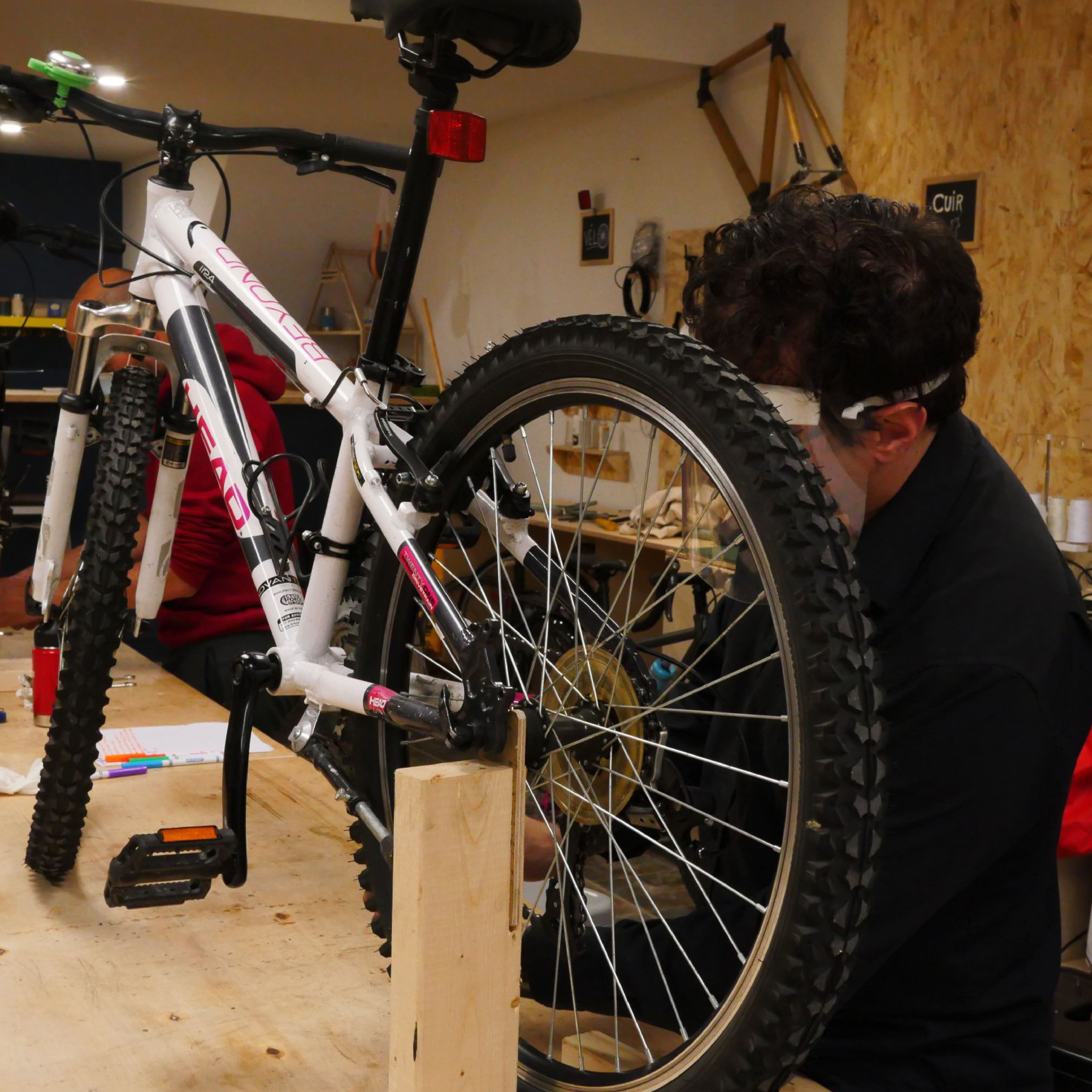
An educational project that recovers abandoned bicycles destined for recycling and gives them a second life through student-led repairs. In partnership with a local recycling centre, students learn basic mechanics while transforming discarded bikes into a school fleet usable bicycles. The initiative promotes active transportation, reduces waste, and raises awareness about sustainability and overconsumption. It combines hands-on learning, environmental responsibility, and sustainable mobility within a school setting.
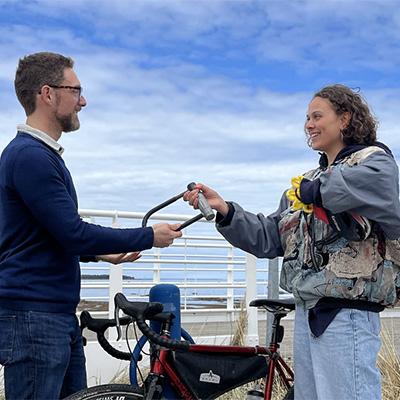
Mobilité Partagée – Rimouski
-
The project Vers le déploiement du vélo-partage à Rimouski is an initiative by Mobilité partagée Rimouski aimed at exploring the community’s interest in a bike-sharing system. Building on the success of a previous car-sharing implementation, it involves a four-week pilot test of free-floating bicycles to observe usage patterns and demand. This trial serves as a community engagement and data-gathering phase to identify key conditions for a long-term bike-sharing program. The ultimate goal is to determine how best to implement a permanent system in Rimouski.
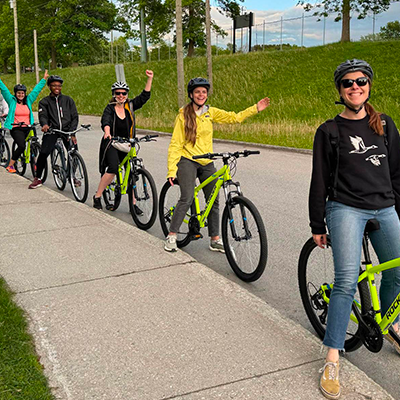
Carbure Aventure – $4,500 Grant
- Toutes à vélo is a cycling learning program by and for women, coordinated in Sherbrooke by Carbure Aventure, an NPO committed to outdoor accessibility. Originating in Montreal through Vélo Québec, the project offers women the opportunity to learn to ride safely, for free, and with support. Rooted in an area where cycling as a means of transportation is still low among women, this project helps build a more inclusive and sustainable cycling culture in Sherbrooke.
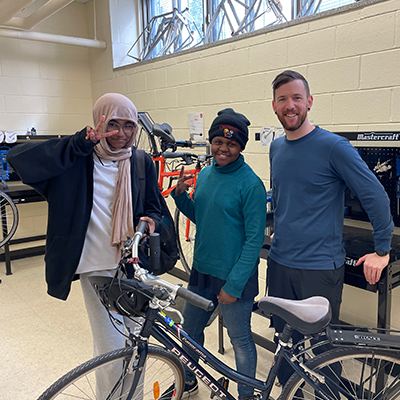
Cyclo Nord-Sud – $4,500 Grant
- Cyclo Nord-Sud, a Montreal-based nonprofit, offers the Build Your Bike project to equip 15–16-year-olds from underprivileged backgrounds by giving them the opportunity to build their own bike. This program promotes autonomy, social inclusion, sustainable mobility in marginalized neighborhoods, environmental awareness through the circular economy, and practical skills development.
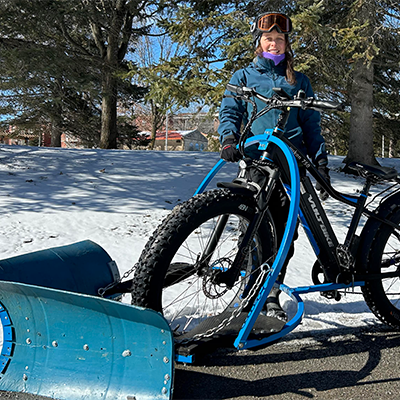
LocoMotion Sherbrooke – $4,500 Grant
- The project led by LocoMotion Sherbrooke aims to provide the community with two snow-clearing bikes, converted from electric or cargo bikes, so citizens can clear downtown bike paths themselves. The project promotes citizen autonomy, winter active transportation, and GHG reduction.
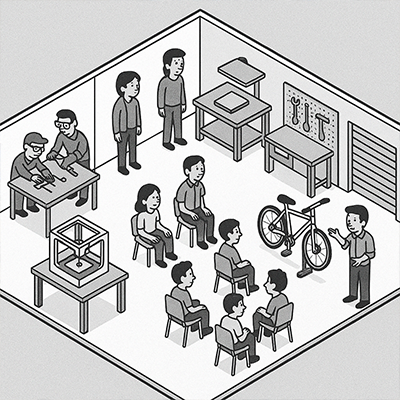
Petit Théâtre du Vieux Noranda – $4,500 Grant
- Petit Théâtre du Vieux Noranda, a cultural organization rooted in Rouyn-Noranda, is developing a community bike workshop within its new Fablab, a creative space combining technological innovation and sustainable development. Accessible to the entire community, this project aims to create a space for sharing, learning, and solidarity.
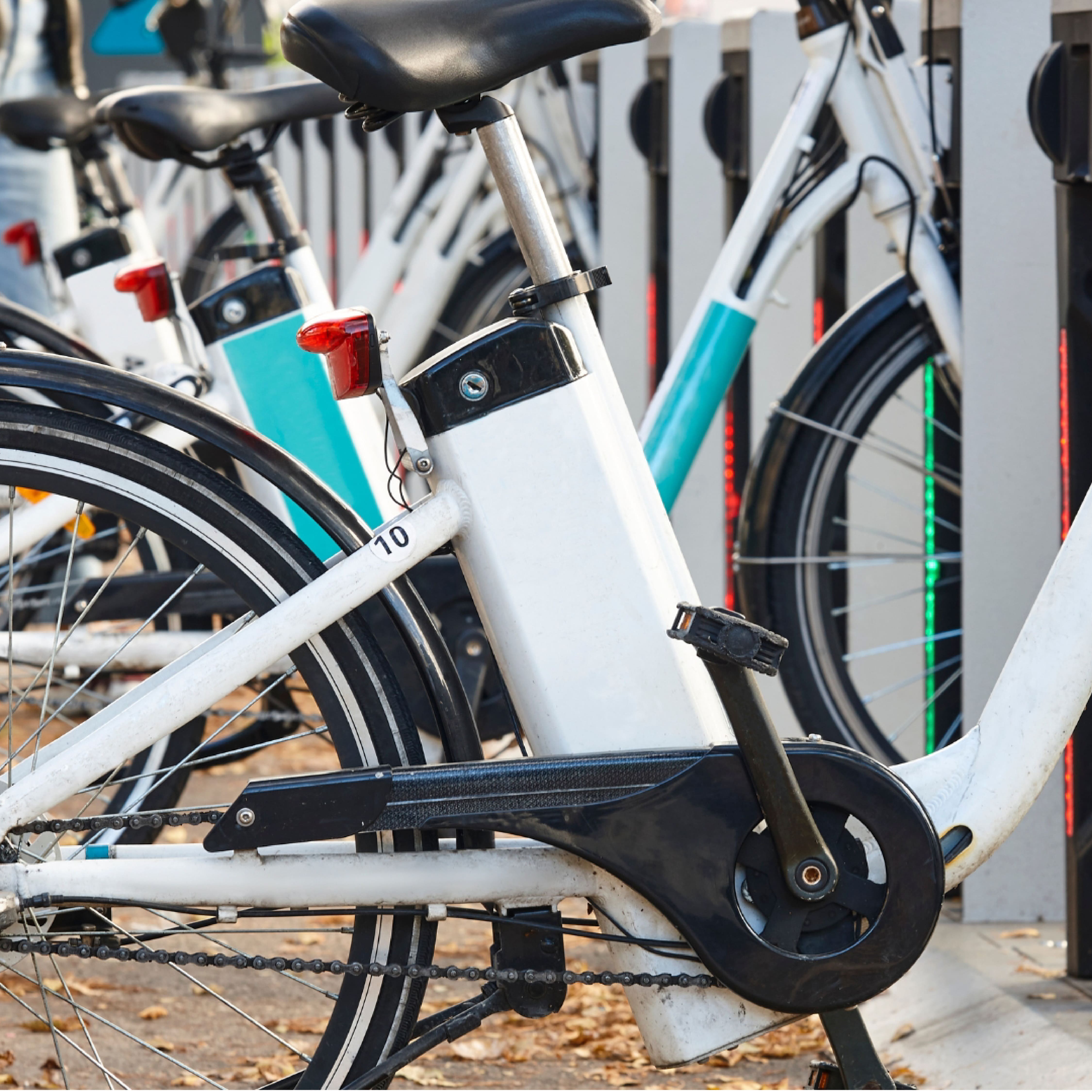
Université de Montréal Early Childhood Centre – $4,500 Grant
- Project to implement an electric bike loan program at our Early Childhood Centre (CPE) to promote sustainable mobility, meet community transportation needs, and encourage behaviour change. Through this initiative, families and staff at the CPE will have easy and affordable access to electric bikes for daily trips, including commuting and family outings.
Les Affutés – $4,500 Grant
- Project for acquiring an electric bike and a bike trailer with a pallet lifting system to deliver materials between their three Montreal locations and support their circular economy initiatives.

Loco-Motion Sud-Ouest – $4,500 Grant
- Project aims to expand cargo bike service in local libraries. Libraries play a central role in the social and cultural life of the borough, attracting a wide audience of all ages and backgrounds. By providing a cargo bike, they aim to make this alternative transportation mode more accessible and visible. Users can borrow the cargo bike for free to transport books, purchases, or other items, promoting ecological and sustainable travel habits.

Vélo-Québec – $4,500 Grant
- Founded in 2021, the “Toutes à vélo” project offers a series of free workshops to women who have never had the chance to learn to ride a bike, helping them develop skills and confidence to cycle safely and independently. The goal is to teach these women their first pedal strokes in a supportive, women-focused environment and provide resources to remove barriers to adopting a low-carbon, cost-effective transportation mode that helps mitigate climate change by reducing GHG emissions from mobility.

Cyclo Nord-Sud – $10,000 Grant
- Project for acquiring an electric bike and a trailer for zero-emission deliveries. Cyclo Nord-Sud will use this bike for their “Petites roues” project, which provides a free bike to 100 children in need in CDN-NDG and Saint-Michel, introducing them to cycling as a sustainable mobility option.

GRAME – $10,000 Grant
- The grant will be used to acquire three electric bikes and maintenance equipment for a pilot project with 20 households in Lachine. The bikes will be loaned to these households to encourage alternative transportation behaviours. After the pilot, the bikes will also be available to other residents, organizations, or stakeholders in Lachine and can be used for tree planting projects led by GRAME.
Partner

Contact us
Earth Day Canada
5818, boulevard Saint-Laurent
Montréal (Québec) H2T 1T3 Canada
Phone : (514) 728-0116
Toll free : 1 800 424-8758
Fax : (514) 303-0248
Email: hello@earthday.ca


2026 © Earth Day Canada. All rights reserved.
Privacy policy · Terms of use · Trademark